
Research Council
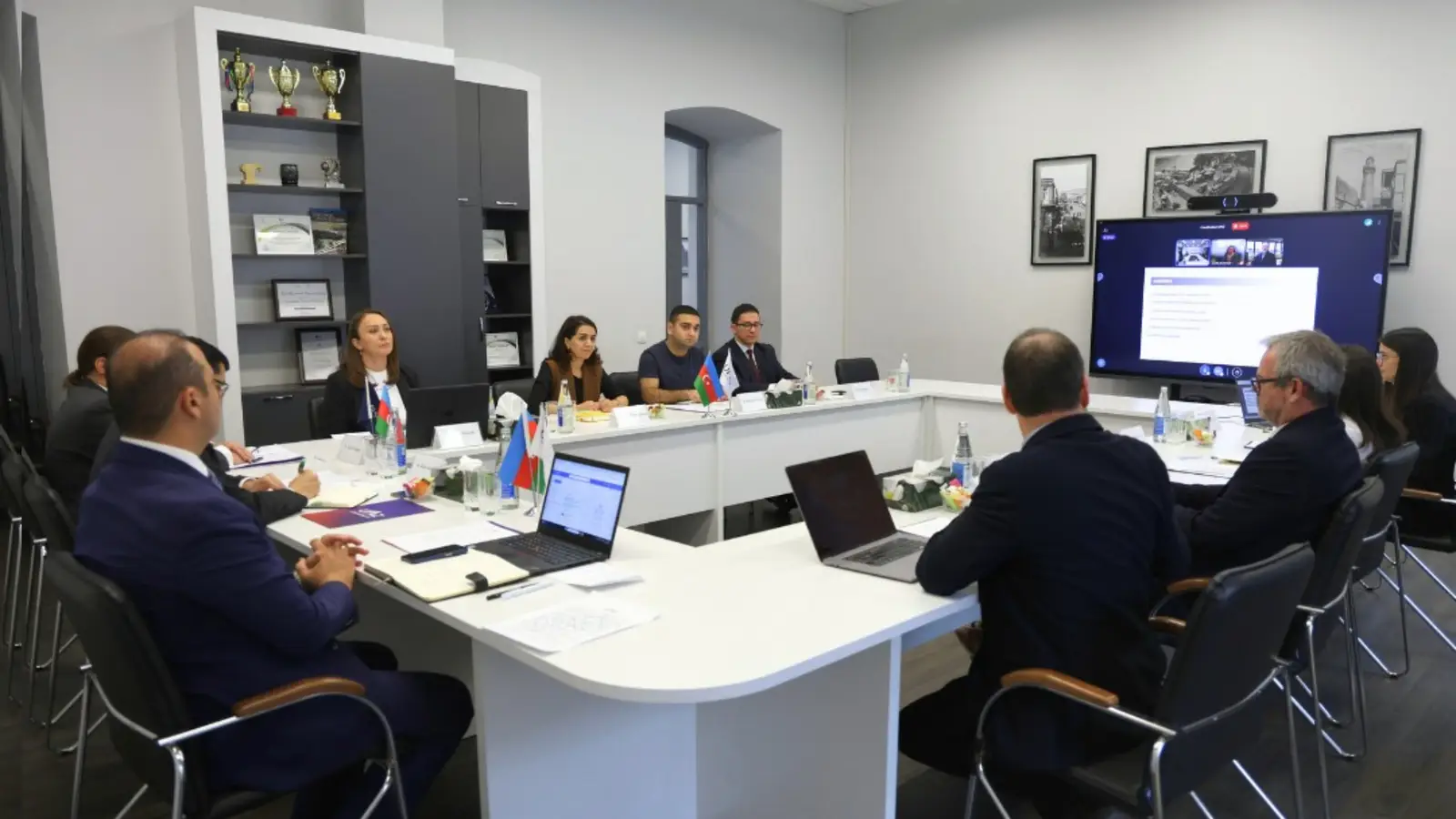
The Research Council is a flexible, multidisciplinary structure that can quickly adapt to innovations and changes. Its agenda must be both reactive, responding promptly to emerging needs, and proactive, anticipating strategic developments and transforming them into concrete, step-by-step implementation plans. Since the Council operates continuously throughout the year, not only during budget planning periods, it must establish its internal working procedures. These responsibilities include determining meeting formats and frequency, distributing tasks among members, and, when necessary, forming thematic working groups.
Co-Chairs
- Dr. Jean-Marc Planeix – Coordinator of UFAZ, Vice-President of the University of of Strasbourg
- Dr. Dunya Babanly – Faculty Coordinator of UFAZ, Researcher at ASOIU
Research Coordinators
From ASOIU:
- Dr. Nigar İsmayılova – Research Coordinator in Computer Science
- Dr. Rashad Abbasov – Research Coordinator in Earth Sciences
- Dr. Ali Alizada – Research Coordinator in Chemical Engineering
From UNISTRA:
- Dr. Cecilia Zanni-Merk – Research Coordinator in Computer Science
- Dr. Damien Lemarşan – Research Coordinator in Earth Sciences
- Dr. Kristof Serra – Research Coordinator in Chemical Engineering
Other Participants
- Dr. Rufat Azizov – Rector of Azerbaijan State Oil and Industry University (ASOIU)
- Dr. Vazeh Asgarov – Executive Director of French-Azerbaijani University (UFAZ)
- Dr. Martin Godon – Secretary General of French-Azerbaijani University (UFAZ)
- Dr. Orxan Karimzada – Advisor to the Rector of ASOIU
- Samra Shiriyeva – Head of the Education Department at UFAZ
- Dr. Mina Baghirova – Research Specialist at UFAZ
Advisory Scope of the Research Council
Scientific Strategy:
- Planning and coordination of research programs
- Composition of research teams
- Policies regarding research contracts with laboratories
- Policies on technology transfer and dissemination of scientific information
Resource Management:
- Required budgets and their allocation among teams
- Human resources needed and training policies through research
- Allocation and utilization of buildings and equipment