
Laboratory and Equipment
The French-Azerbaijani University (UFAZ) possesses specially organized scientific and educational laboratories. The laboratory building (SP2), established in 2018, covers an area of 2,500 m². The laboratories, located on six floors, are equipped in accordance with the standards of the University of Strasbourg (UNISTRA).
The chemistry, physics, geology, and IT laboratories provide students, young researchers, and faculty members with the opportunity to conduct comprehensive scientific research.
General Chemistry Laboratory
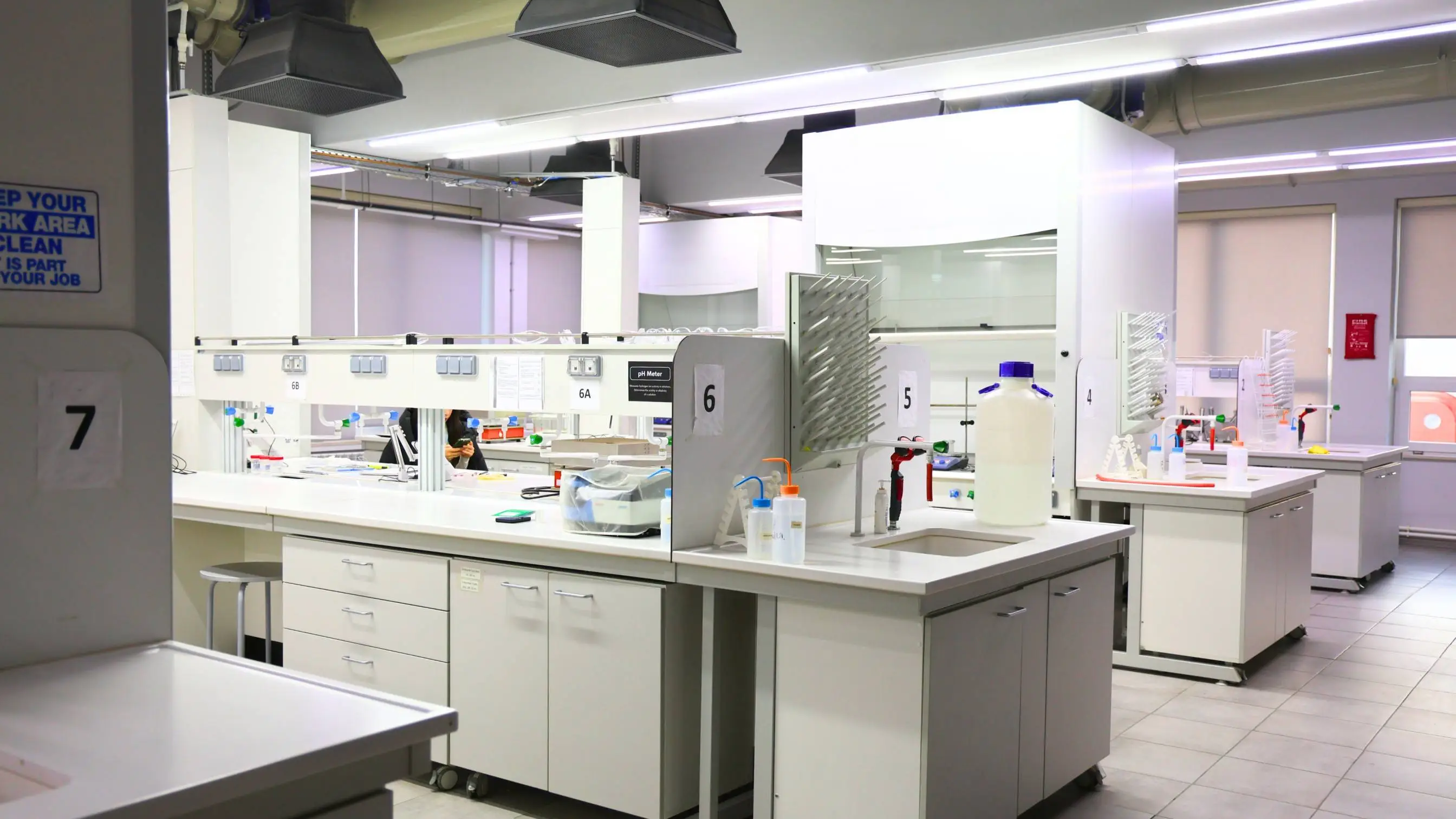
Second- and third-year undergraduate students conduct their classes in the General Chemistry Laboratory. The laboratory fully complies with all safety regulations. A high-efficiency fume hood has been installed to fully protect students from exposure to chemicals during experiments.
The general laboratory courses cover the fundamentals of qualitative and quantitative analysis, the determination of chemical and physical properties, as well as chemical synthesis processes. These activities are carried out with the support of advanced instrumentation, including the following equipment:
Equipments
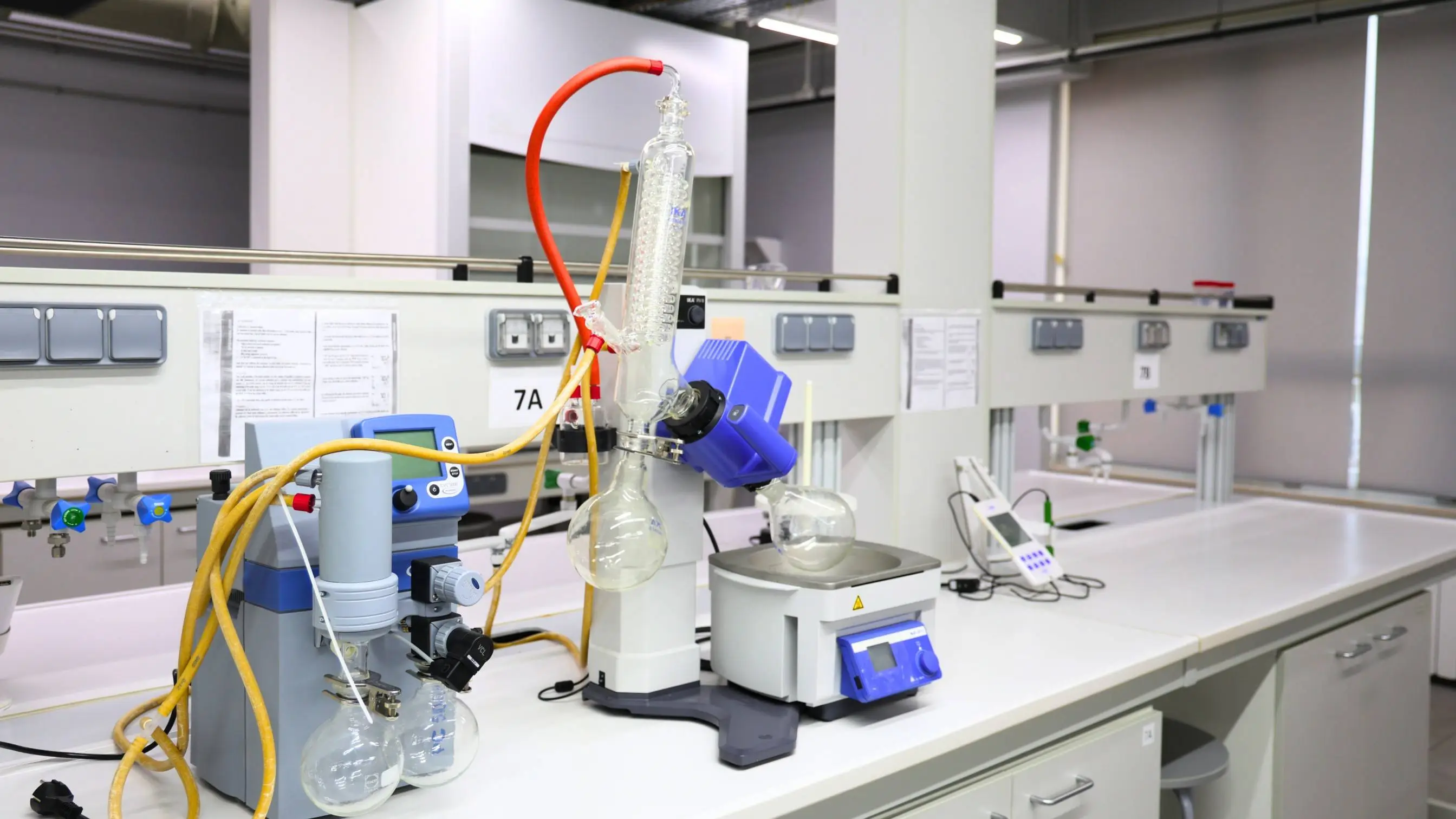
- pH Meter – A device used to measure the activity of hydrogen ions in solutions. In other words, it determines the acidity or alkalinity of a solution.
- UV-Vis Spectroscopy (Ultraviolet–Visible Spectroscopy) – A quantitative method used to measure how much light a chemical substance absorbs. Its principle is based on the fact that chemical compounds absorb ultraviolet or visible light to produce characteristic spectra.
- Polarimeter – A device that measures the angle of rotation of polarized light passing through optically active compounds.
- Conductometry – A method for measuring the conductivity of electrolytes, used to monitor the progress of chemical reactions.
These instruments allow students to develop practical skills in chemistry and gain a deeper understanding of the scientific process.
Analytical Chemistry Laboratory
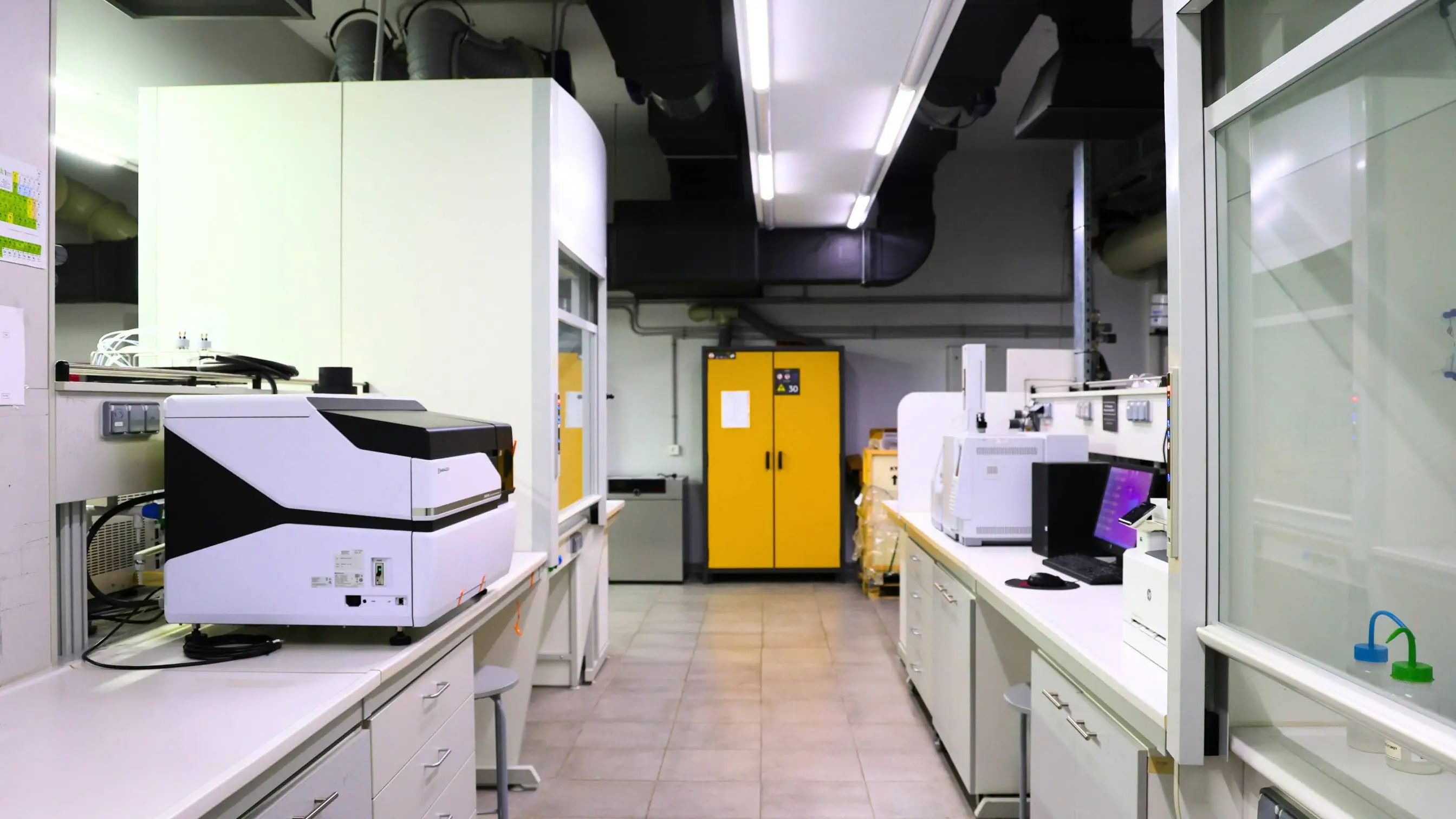
The Analytical Chemistry Laboratory is equipped with modern instrumentation designed for advanced chemical analyses. The laboratory features high-tech devices that enable comprehensive characterization and quantitative analysis of samples, ranging from simple compounds to complex mixtures. Meeting the requirements of both academic and industrial sectors, this laboratory provides reliable data essential for research, development, and quality control.
Equipments
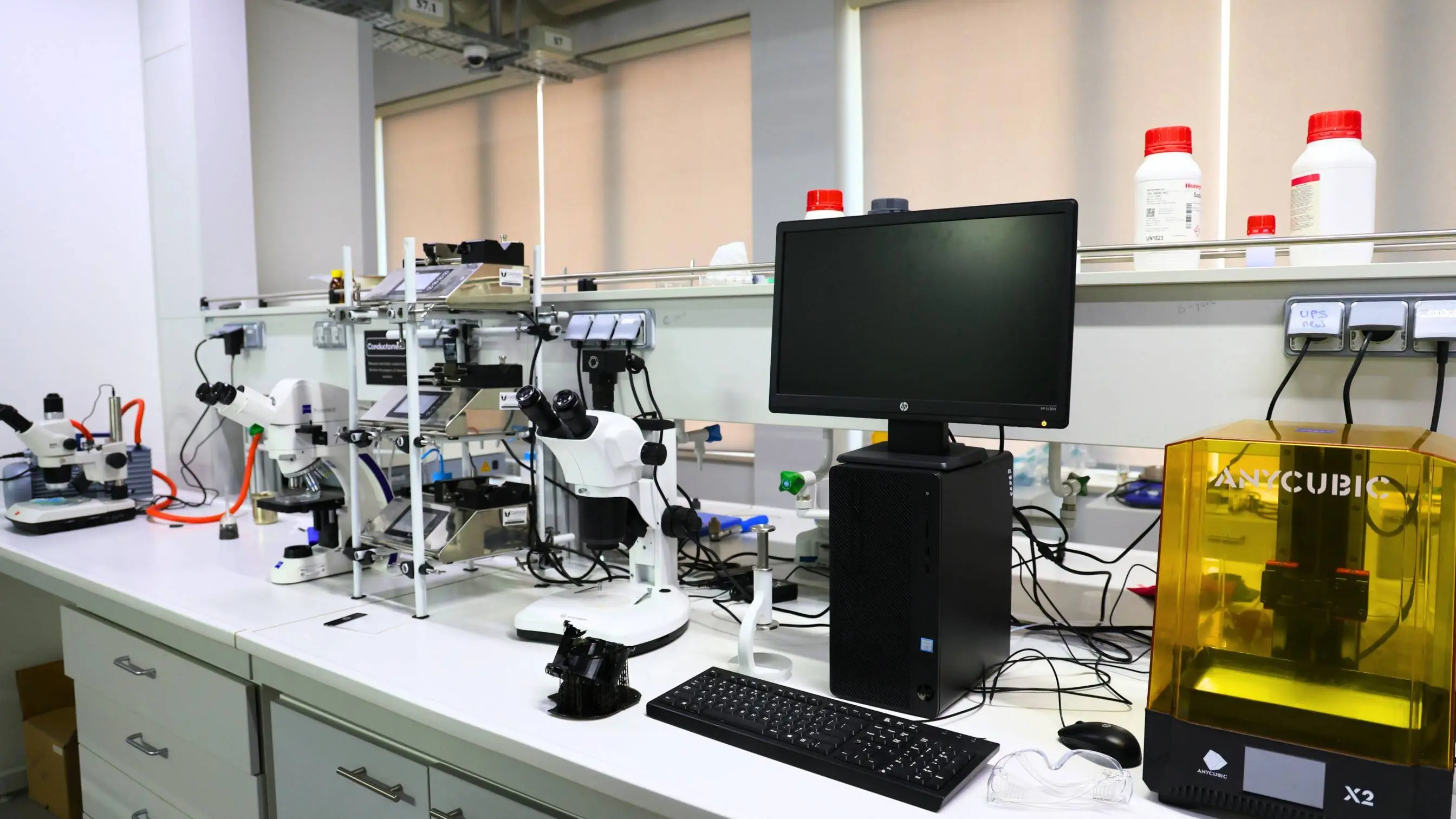
- Gas Chromatography (GC) with Flame Ionization Detector (FID) – Used for the analysis of volatile compounds. The FID’s high sensitivity to organic compounds enhances the accuracy of the chromatographic measurements.
- Gas Chromatography–Mass Spectrometry (GC-MS) – Combines the separation power of GC with the precise molecular identification capabilities of MS. This synergy allows for detailed analysis of complex sample compositions.
- High-Performance Liquid Chromatography (HPLC) with UV-Visible and Fluorescence Detectors – Separates mixtures of compounds in a solution. Through UV and fluorescence detection, it can identify samples ranging from simple ions to complex organic molecules. HPLC’s versatility makes it one of the most widely used analytical methods.
- Ion Chromatography (IC) with Conductivity Detector – Focuses on the separation of ions and polar molecules. It provides a complete ion profile for samples where salts, minerals, and ionic content are significant.
- UV-Visible Spectroscopy Equipment – Provides information on electronic transitions within molecules. Widely applied in biochemistry and environmental sciences, it offers both qualitative and quantitative insights about samples.
- Liquid Chromatography–Mass Spectrometry (LC-MS) – Combines the separation power of liquid chromatography with the precise identification capabilities of mass spectrometry, enabling detailed compositional analysis, especially for trace-level studies.
- Inductively Coupled Plasma Mass Spectrometry (ICP-MS) – Used for trace-level analysis of metals and non-metals. It has broad applications in environmental monitoring and quality assurance in manufacturing.
- Microwave Digestive System – Accelerates sample preparation and is used to prepare samples for ICP-MS analysis.
- Nuclear Magnetic Resonance (NMR) Spectroscopy – Enables the study of atomic structures in molecules. It is essential for research in organic chemistry and biochemistry, providing safe and precise molecular structural information.
- Fourier Transform Infrared Spectroscopy (FTIR) – Analyzes molecular vibrations to aid in material identification. It is a fast and non-destructive technique, widely used in routine testing.
- Fluorescence Spectroscopy Equipment – Measures fluorescence emitted by samples to provide insights into molecular environments, interactions, and conformations.
Chemical Engineering Laboratory 101
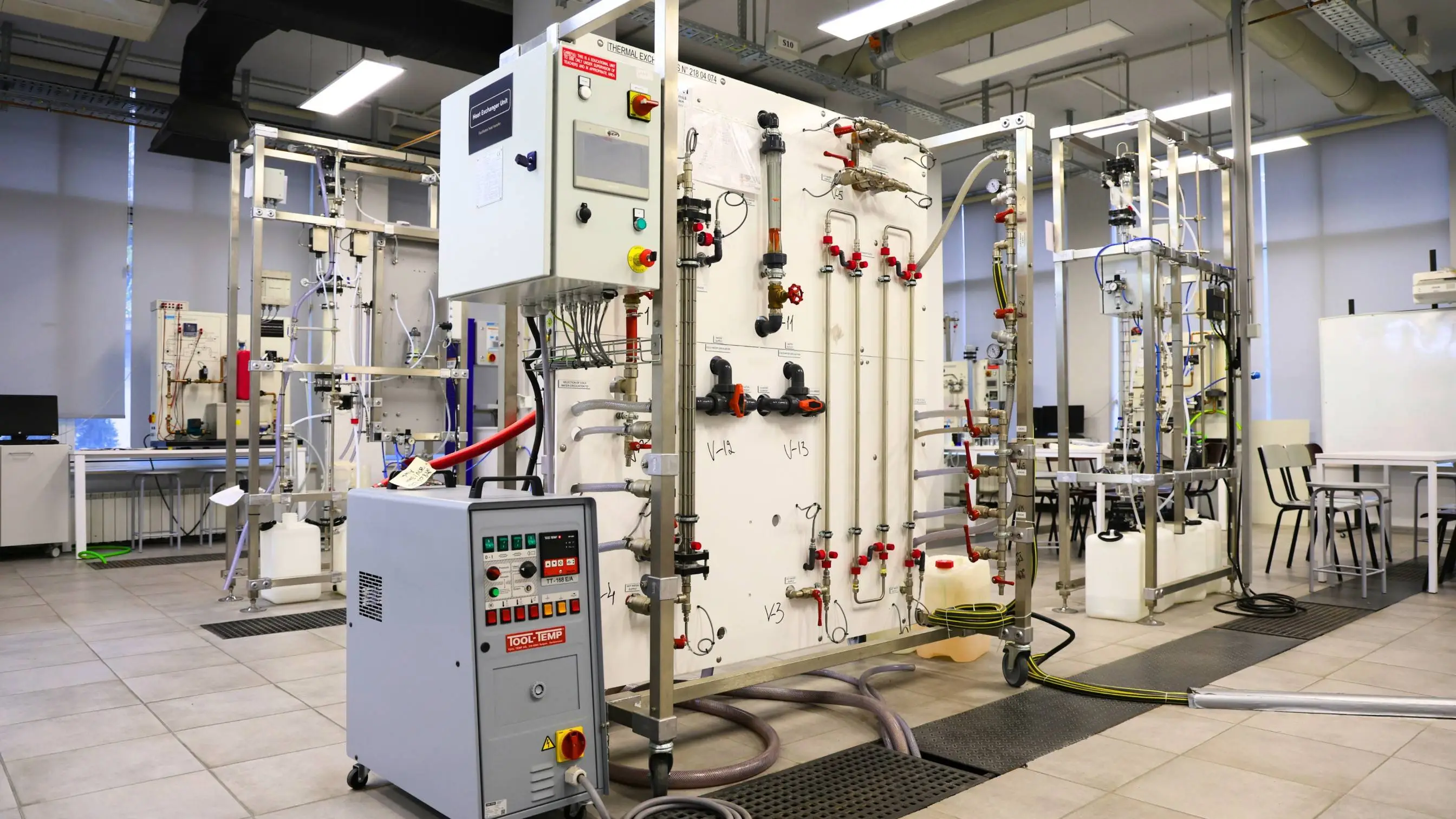
The Chemical Engineering Laboratory is a center designed for practical learning. Equipped with modern instruments and equipment, the laboratory allows students to understand real industrial processes within a simulated environment. By combining core engineering principles with hands-on applications, the laboratory serves as a bridge between theoretical knowledge and actual industrial practice. Here, students can conduct experiments and refine their results.
Equipments
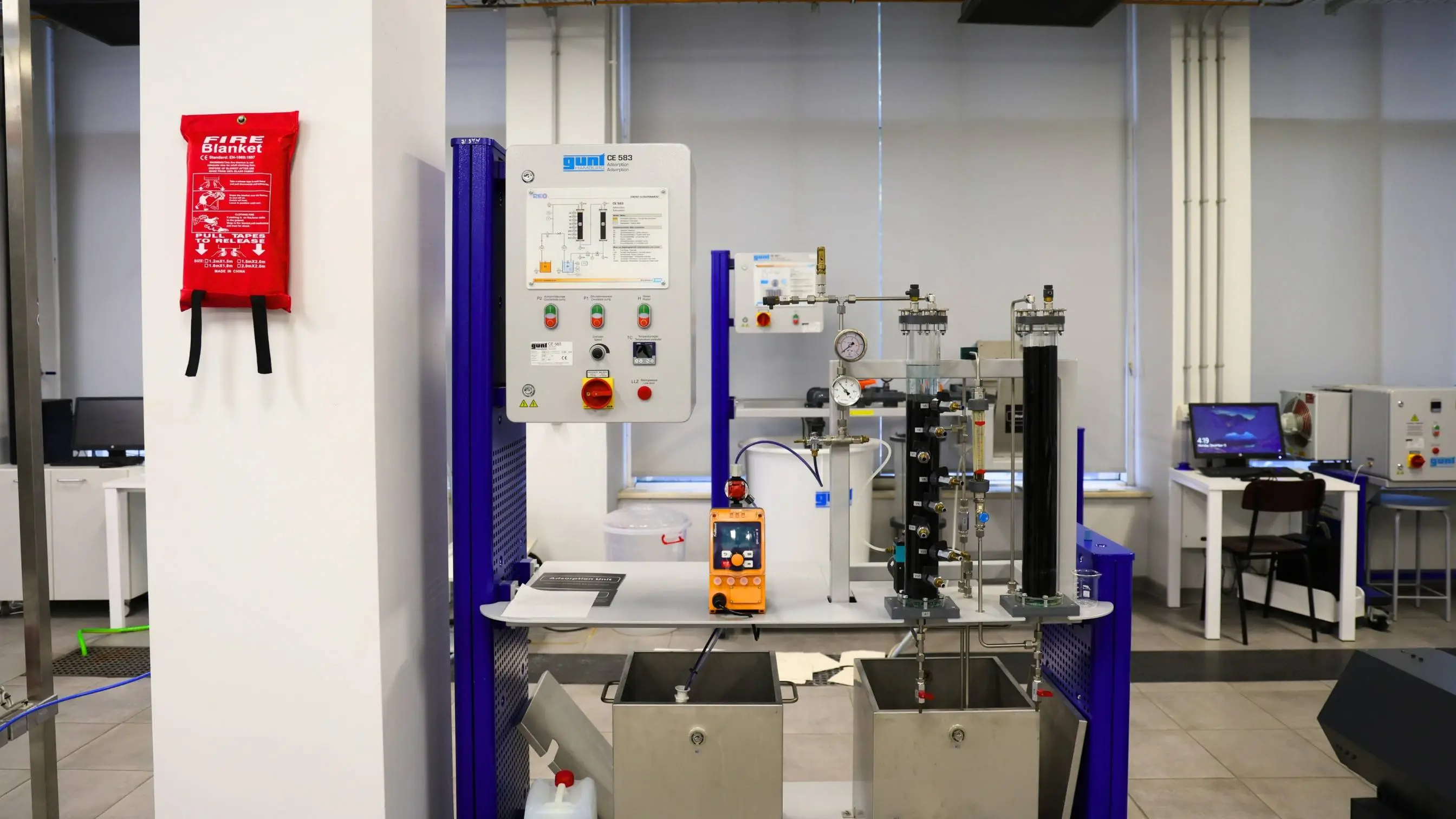
- 3-Meter Distillation Apparatus (with Steam Energy Source) – Separates components based on differences in volatility, using steam as the energy source.
- Reverse Osmosis Unit – Removes ions and molecules from water through a semipermeable membrane.
- Heat Exchanger – Facilitates heat transfer between two or more liquids. The system includes single- and multi-tube designs as well as plate-type heat exchangers.
- Liquid–Liquid Extraction Unit – Separates components in two immiscible liquids based on their relative solubilities.
- Reactor Panel – Includes various reactor designs, such as columns and stirred reactors, enabling the execution of different chemical reactions.
- Convection Apparatus (Dryer) – Converts liquid adhered to a solid surface into vapor through convection.
- Packed Column Absorption System – Removes specific components from gas streams by dissolving them in a liquid phase.
- Activated Carbon Adsorption Unit – Facilitates the adherence of molecules to a material surface (e.g., activated carbon) and purifies gas or liquid systems.
- Fluidized Bed Unit – Studies the main fluid mechanics of flow in liquidized beds under two different media (water and air).
- Flow/Level Controller – Precisely regulates liquid flow or level through a control loop.
- Temperature Controller – Accurately maintains the temperature within a system or unit, ensuring optimal conditions.
- Packed Bed Unit – Investigates the main fluid mechanics of flow through packed beds.
- Filtration Unit – Separates suspended solid particles from liquids.
Microscopy Laboratory
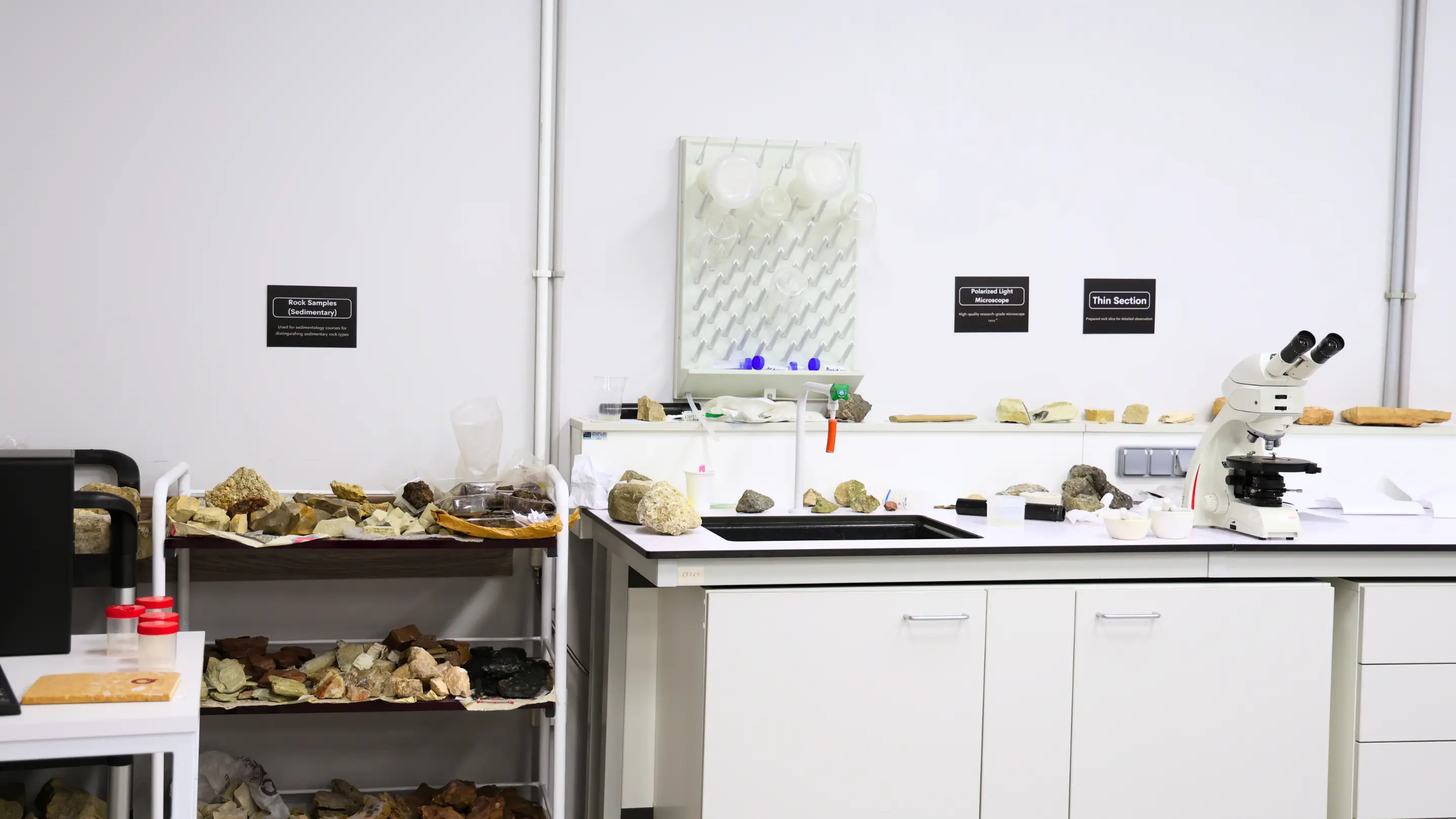
The Microscopy Laboratory is a center for practical learning. It is equipped with 11 Polarized Light Microscopes and approximately 200 thin sections. The thin sections are prepared from three different types of rocks and selected sedimentary rock samples. One of the microscopes is a Leica model, while the others are Blue Schist Polarized Light Microscopes.
The laboratory provides students with a highly engaging environment, allowing them to work with motivation and enthusiasm. The microscopes are calibrated to high standards, and practical sessions for Mineralogy, Petrography, and Sedimentology courses are conducted in the laboratory.
- Blue Schist Polarized Light Microscope – Standard tool for studying the optical properties of rocks and minerals.
- Leica Polarized Light Microscope – High-quality, research-grade polarized light microscope.
- Thin Section – A sample prepared from rock, approximately 0.03 mm thick, for detailed observation.
- Rock Samples – Mostly sedimentary rocks that help students differentiate rock types in Sedimentology courses.
Network Laboratory
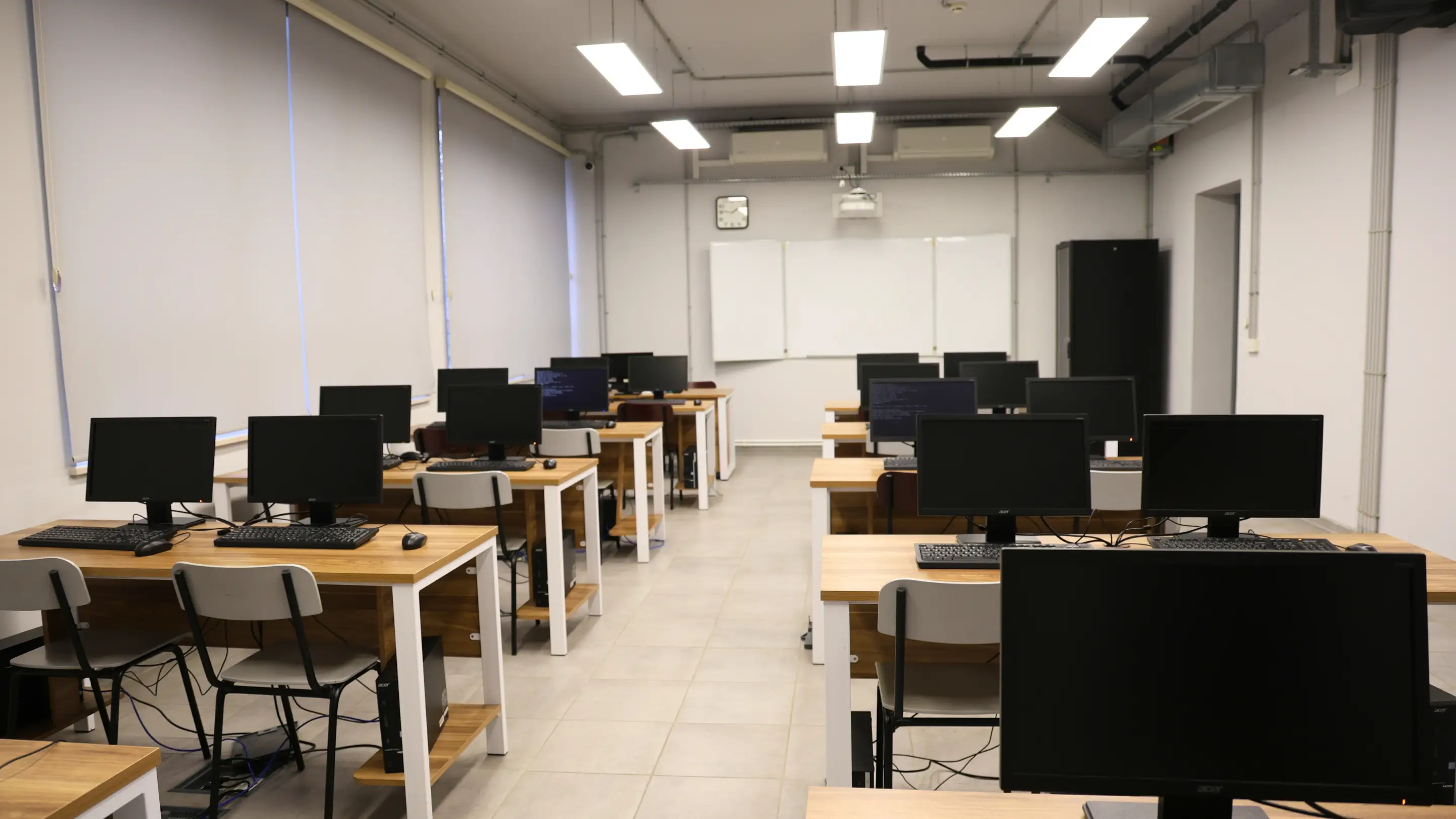
The Network Laboratory at UFAZ is centered around a hub and is equipped with switches, routers, and hubs. The laboratory also features a cluster of 25 computers, each equipped with multiple network cards. This facility serves numerous important purposes for students studying computer science and significantly enriches their learning experience.
Key purposes of using the Network Laboratory:
- Practical Learning: Students gain hands-on experience in configuring, managing, and troubleshooting network devices and protocols. This practical exposure is invaluable for understanding complex networking concepts.
- Skill Development: Students acquire essential skills in network design, implementation, maintenance, and security. They become proficient in managing routers, switches, firewalls, and other network equipment.
- Real-World Simulation: The laboratory simulates real-world network scenarios. Students can apply theoretical knowledge to practical situations, experiencing network failures, security breaches, and scalability challenges firsthand.
- Collaboration: The lab promotes teamwork through group projects and assignments, enhancing problem-solving and collaboration skills, which are critical in the IT field.
- Certification Preparation: Many students aim to obtain industry certifications such as Cisco CCNA or CompTIA Network+. The Networking Laboratory provides a dedicated environment for exam preparation.
- Troubleshooting and Technical Support: Students learn to diagnose and resolve network issues, an essential skill for maintaining business network operations.
The UFAZ Networking Laboratory is a valuable resource that gives students practical experience, develops their skills, and bridges the gap between theoretical knowledge and real-world applications. It prepares students for success in the ever-evolving field of networking.
PARSEC Supercomputer Laboratory
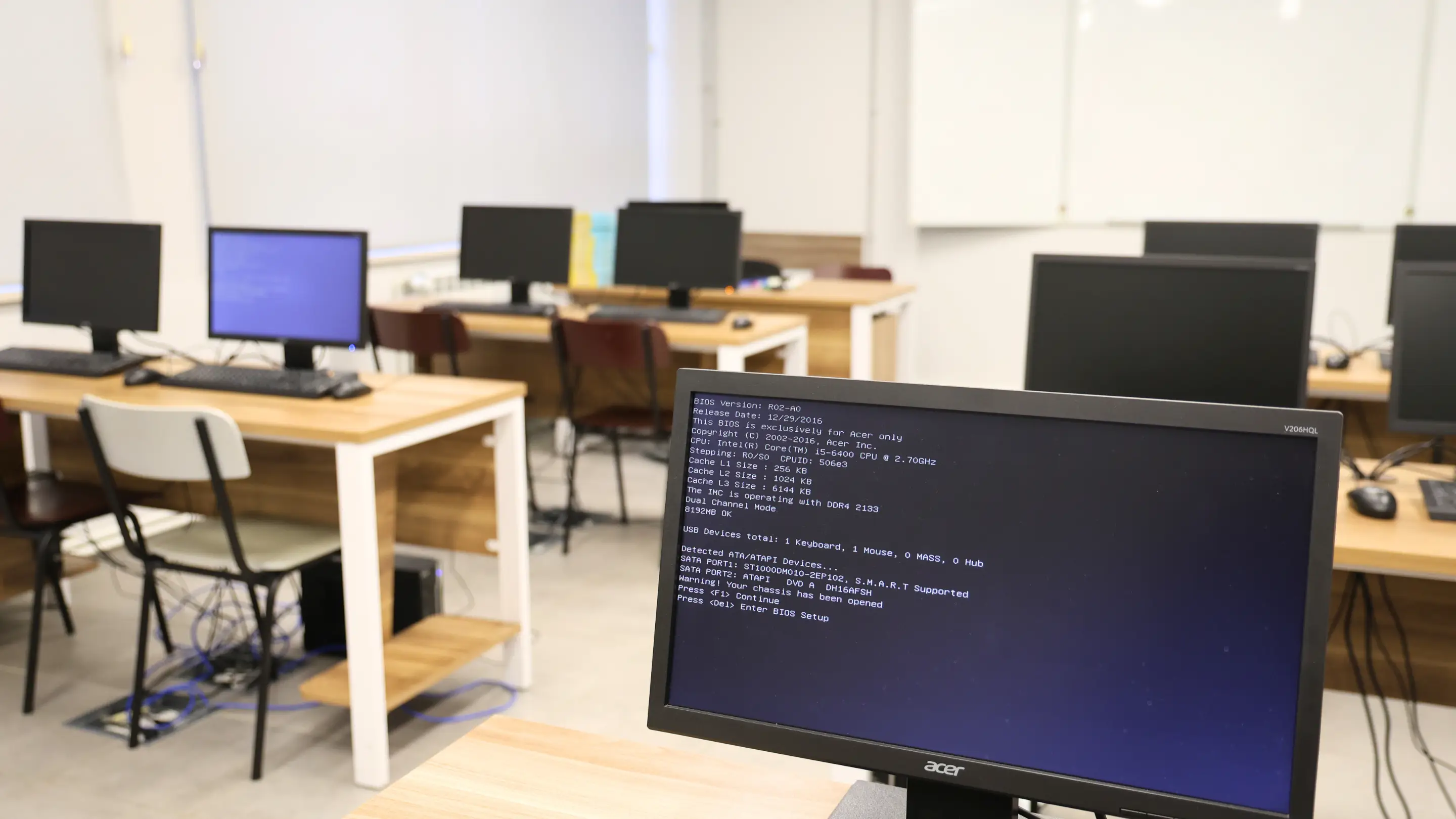
The PARSEC Supercomputer Laboratory at UFAZ (Parallel System for Evolutionary Computing) consists of 26 interconnected machines and delivers approximately 800 TFlops in single precision and 1.6 PFlops in half precision. Unlike traditional data exchange systems, this high-performance computing resource operates on a knowledge-sharing principle.
Significance of the PARSEC Supercomputer for UFAZ:
- Cutting-Edge Research: PARSEC is designed for artificial intelligence and computational modeling of data. It provides researchers with the computational power needed to perform complex simulations, conduct data-driven studies, and develop advanced AI algorithms, making it invaluable for high-level research across various scientific and engineering fields.
- Educational Benefits: During daytime hours, the supercomputer can be used for teaching, giving students hands-on experience with high-performance computing. It allows instructors to demonstrate advanced computational principles and techniques, preparing students for careers requiring sophisticated computing skills.
- Interdisciplinary Collaboration: The supercomputer supports collaboration across faculties and research areas, enabling joint projects in computer science, mathematics, physics, geosciences, and other disciplines, and fostering innovative research outcomes.
- Artificial Intelligence and Deep Learning: Equipped with GPGPU cards, PARSEC is optimized for AI, particularly deep learning applications, providing an excellent platform for training neural networks and AI models.
- Big Data Processing: The 64 TB RAID-5 Data Center allows researchers to store and analyze large datasets, essential for projects in big data analytics, climate modeling, genomics, and other data-intensive fields.
- International Connectivity: Connection to the GÉANT pan-European network enhances UFAZ’s global collaboration opportunities, granting researchers access to international research networks and enabling resource sharing with institutes worldwide.
- Parallel and Distributed Computing: Students and researchers gain hands-on experience with parallel and distributed computing techniques, critical skills in modern scientific and engineering disciplines.
- Innovative Knowledge-Sharing: The unique knowledge-sharing feature among PARSEC’s interconnected machines promotes collaboration and problem-solving, allowing multiple machines to be harnessed together for solving complex computational problems.
- Award-Winning Platform: The EASEA software platform used with the supercomputer is recognized for its innovations in evolutionary computing. It enhances the efficiency and flexibility of PARSEC machines, adding significant research and educational value.
The PARSEC Supercomputer Laboratory at UFAZ is a powerful tool for research, interdisciplinary collaboration, and advanced education. Its unique knowledge-sharing approach and advanced capabilities make it an invaluable resource for both researchers and students.
PE Limited donated free licences of the software MOVE and other specialised softwares (2D Kinematic Modelling, 3D Kinematic Modelling, Geomechanical Modelling, Fracture Modelling, Fault Response Modelling, Fault Analysis, Stress Analysis, Move Link Petel, Move Link OpenWorks, Move Link GST) to French-Azerbaijani University, which stand for the equivalent of 5,953,375.97 Sterling Pounds within the agreement concluded with Azerbaijan State Oil and Industry University.
Physics Laboratories (SP1)
The Physics Laboratories (SP1) are located in SP1 and are designed for L0 student groups. These laboratories are not intended for scientific research but are used solely for teaching purposes and for visualizing theoretical concepts.
During their first year, UFAZ students participate in seven practical sessions in the physics laboratory:
- Basic Electrical Measurements: Kirchhoff’s and Ohm’s Laws – Students learn to build electrical circuits and understand the principles of Kirchhoff’s and Ohm’s laws.
- Wave Generators and Oscilloscopes – Students gain fundamental knowledge about oscilloscopes, wave generators, power sources, and their operation.
- Air Table – Students learn to use the air table and perform measurements and calculations related to velocity, acceleration, distance, and time.
- Pendulum – Students learn to use a pendulum and process data obtained from measurements.
- Thermometry – Students work with platinum probes (PT100), multimeters, heating baths, and calorimeters.
- Resistor and Capacitor Circuits – Students study the behavior of sound waves, measure data, and process results.
- Optics – Students visualize theoretical knowledge and perform optical calculations.
L3 Laboratories (SP2)
The L3 Laboratories (SP2), located in SP2, are designed for L3 student groups. These laboratories are not intended for scientific research and are used solely for teaching purposes and for visualizing theoretical concepts.
During their final year, UFAZ students participate in six practical sessions in the physics laboratory:
- Viscosity – Students determine the viscosity of a given substance and investigate how it changes over time. They also measure and calculate the density of the substance.
- Surface Tension – Students measure the surface tension of a liquid using a ring attached to a torsion device. The surface tension of liquids and solutions (such as soap and water) is calculated based on the ring’s diameter and the pulling force.
- Pressure Drop – Students identify the elements that cause pressure drops along a pipe and measure the pressure created by different fittings.
- Flow Through Particle Beds – Students follow these steps:
- Learn the basics of flow through packed and fluidized beds (Darcy’s law);
- Observe the fluidization process;
- Analyze pressure losses depending on flow rate, type, particle size, and bed height;
- Determine fluidization velocity and compare with theoretical calculations.
- Adsorption – Students study adsorption using methylene blue and water. During the experiment, the adsorption of substances is determined by adjusting coils and the flow rate of liquids.
- Fluidized Bed Formation – Students observe how granular solids acquire fluid-like behavior. This process is related to both fluid mechanics and thermodynamic properties.
L2 Laboratory (SP2)
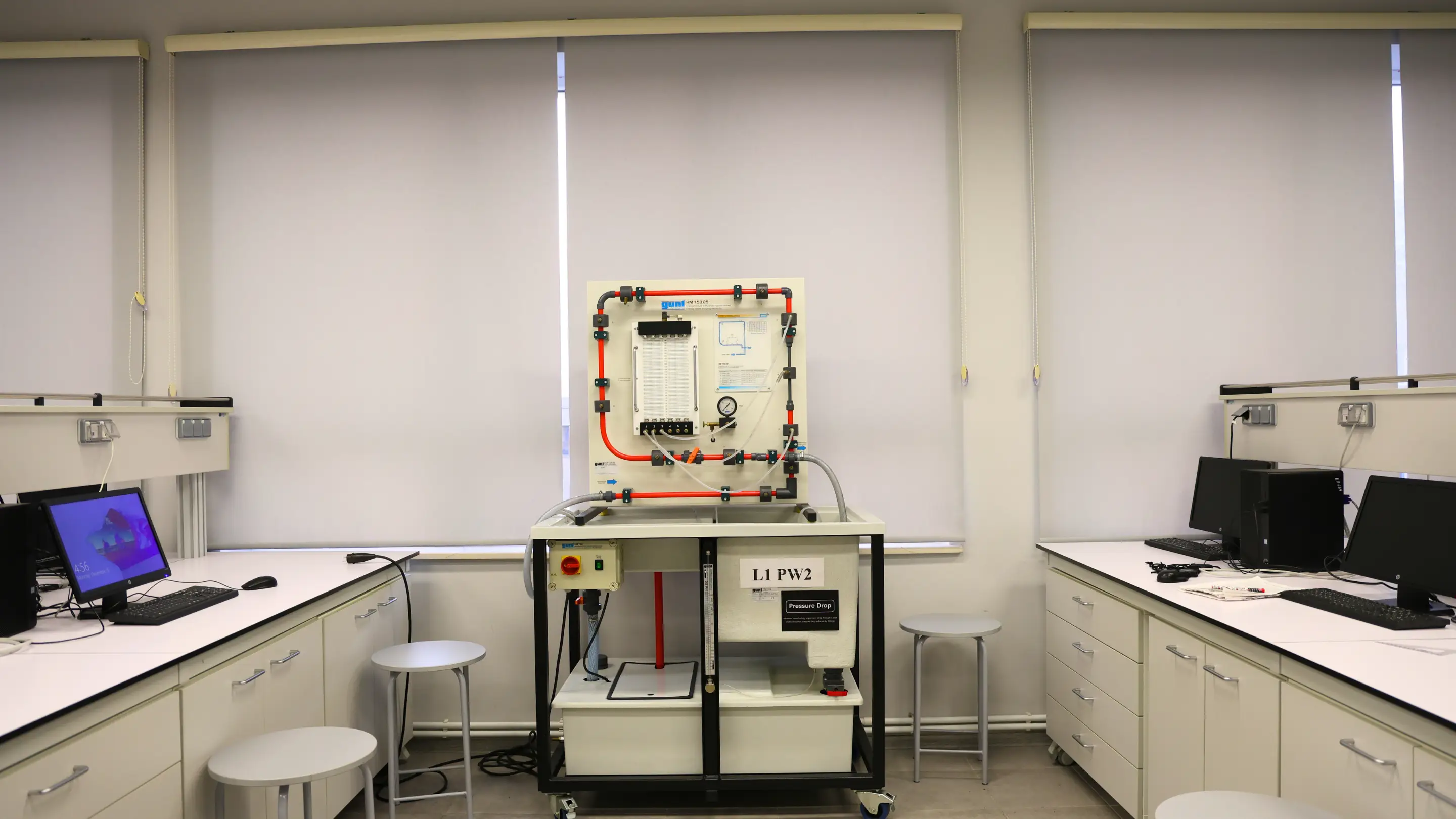
The L2 Laboratory (SP2), located in Room 304, is designed for L2 student groups. These laboratories are not intended for scientific research and are primarily used for teaching and visualizing theoretical concepts. However, some electronics-related experiments can also be conducted here, such as material conductivity, volt–ampere characterization of thin films, diode structures, and similar studies.
Equipments
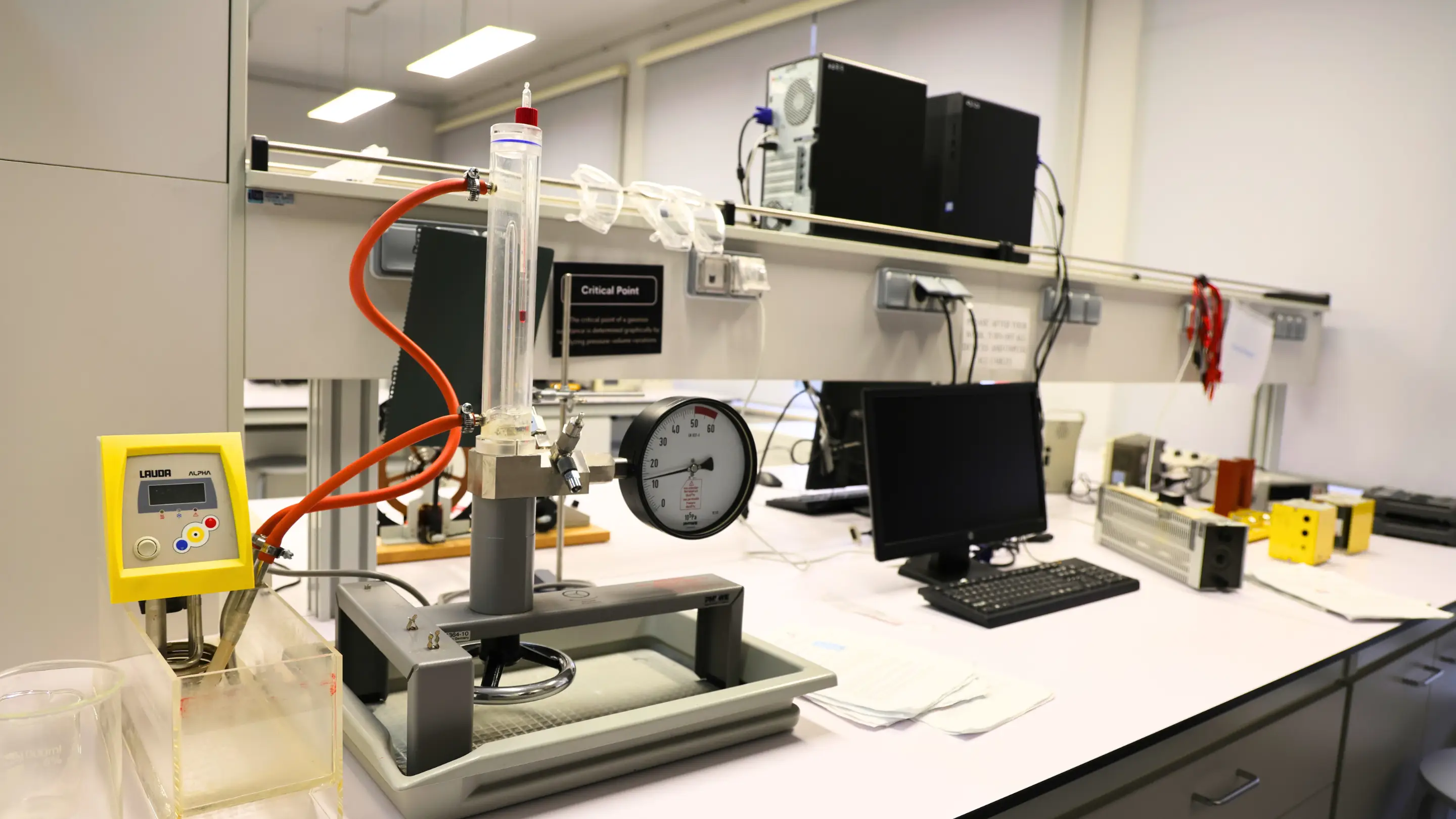
UFAZ students participate in 8 practical sessions in the L2 Laboratory:
- Pohl Pendulum – Students determine the oscillation period and characteristic frequency for free and forced vibrations. They calculate oscillation periods and corresponding frequencies for different damping values. The main goal is to identify and graph resonance curves. Students also observe the phase difference between the torsion pendulum and the stimulating arm for low damping values.
- Critical Point – Students place a substance, normally a gas, into a variable-volume container and record pressure changes at different temperatures as the volume changes. The critical point is determined from the isothermal graph.
- Transformer – Students assemble a transformer by placing two coils into a U-shaped magnetic circuit, paying attention to the orientation of the internal material layers. Measurements are taken with digital multimeters:
- Currents in the primary and secondary circuits
- Voltages across coil terminals
- The main goal is to operate under load and determine the transformer’s efficiency.
- Negative Resistor and RLC Circuit –
- Part 1: Students learn why the amplitude of naturally oscillating systems decreases over time (energy losses: friction, turbulence, Joule effect). A negative resistor reduces the circuit resistance to compensate for this effect.
- Part 2: RLC circuits demonstrate resonance. Students characterize these circuits and learn to use them to create oscillators.
- Diodes – Students study diode characteristics and DC operating points (forward and reverse bias) and examine the conversion of AC signals to DC signals.
- Operational Amplifier (Op-Amp) – Students study negative and positive feedback:
- Non-inverting and inverting amplifiers
- Simple and hysteresis comparators
- Integrator characteristics
- Harmonic Mode / Smartphone Audio Output –
- Part 1: Students perform various measurements in harmonic mode using a sine generator, ammeter, voltmeter, and oscilloscope.
- Part 2: Students calculate the maximum electrical power in an audio output and understand the effect of headphone impedance.
- Amplification Chain / Second-Order Band-Pass Filter –
- Part 1: Students study the different roles of amplification blocks (voltage, current, and power gain) and understand how input and output impedance matching affects block performance.
- Part 2: Serial R; L; C circuit is studied. The band-pass filter output is obtained at a specific point in the circuit.
L1 Laboratory
The L1 Laboratories, located in SP2, are designed for L1 student groups. These laboratories are not intended for scientific research and are used solely for teaching purposes and visualizing theoretical concepts.
During their first year, UFAZ students participate in 12 practical sessions in the physics laboratory:
- Torsion Pendulum – Studying the mechanical elastic properties of different metals and analyzing the hysteresis of deformation.
- Friction in Pipes – Investigating the friction coefficient of fluids in laminar and turbulent flows in pipes.
- Bernoulli Application: Venturi Tube – Analyzing the distribution of static, dynamic, and total pressure across different cross-sections of a Venturi tube.
- Heat Capacity of Gas – Measuring the molar heat capacity of gases under constant volume and constant pressure conditions.
- Calorimeter – Determining the heat capacity of a calorimeter and the enthalpy of fusion (latent heat) of ice.
- Thermodynamics – Stirling Engine – Studying the operation of a Stirling heat engine in different modes: engine, refrigerator, and heat pump.
- Wave Tank – Investigating the propagation and interference of water waves. Identifying wave types based on dispersion, studying diffraction and interference, and analyzing reflection laws.
- Sound Waves and Piezoresonator – Measuring the wavelength and speed of ultrasound. Determining the resonance frequency, bandwidth, and quality factor of a piezocrystal.
- Quartz Resonator Quality Factor – Studying wave damping using a piezocrystal. Measuring damping coefficient and quality factor with an operational amplifier circuit. Investigating beat phenomena.
- Optics – Focometry and Optical Instruments – Measuring the focal lengths of different lenses using conjugate, Bessel, and Silbermann methods. Setting up microscopes and studying their properties.
- Optics – Interference and Diffraction – Studying diffraction through various obstacles and slits. Creating interference patterns and determining slit separation using CCD and oscilloscope measurements.
- Signal Propagation in Coaxial Cable – Measuring the impedance of different coaxial cables based on signal reflection. Determining signal speed along the cable, effective optical index, and dielectric constant.
These practical sessions provide students with opportunities to apply physics principles, develop measurement skills, and connect theoretical knowledge with real experiments.